
When it comes to making your home both stylish and energy-efficient, home window tinting stands out as a smart choice. As an interior designer, it’s vital to understand the options available to recommend the best solutions to your clients. This guide will delve into the nuances of home window tinting, including energy-efficient tinting options, DIY window tinting, and how to make effective comparisons. With a plethora of choices available, understanding the intricacies of window tinting can empower you to make informed decisions that enhance both the aesthetic and functional aspects of any living space.
Understanding the benefits and types of window tinting can help you tailor solutions that meet the specific needs of each client. Whether aiming to reduce energy consumption, increase privacy, or simply add a touch of elegance, the right window tinting can make a significant impact. By exploring the different options, you’ll be equipped to offer personalized recommendations that not only enhance the comfort and style of a home but also reflect your expertise as a designer.

Home window tinting involves applying a thin film to your windows, which can offer a range of benefits from reducing glare to enhancing privacy and improving energy efficiency. This simple addition can make a significant difference in both the comfort and aesthetics of a home. Beyond aesthetics, window tinting serves functional purposes that can significantly enhance the living experience. Whether you are looking to improve the energy efficiency of a home or simply add a layer of sophistication, the right window tint can make all the difference.
The process of window tinting can be customized to meet various needs, with options ranging from subtle tints that barely alter the appearance of a window to more pronounced films that offer a distinct look and feel. By understanding the various types of tints available, you can help clients achieve their desired outcomes while also addressing practical concerns such as energy savings and UV protection. This section explores the primary benefits of window tinting and how they contribute to both the form and function of a home.
The Benefits of Window Tinting
Energy Efficiency
One of the primary reasons homeowners consider window tinting is its energy-saving potential. By reducing the amount of heat that enters through the windows, energy-efficient tinting can lower cooling costs in the summer. In the winter, it can help retain heat, reducing the need for additional heating. This dual advantage makes window tinting a cost-effective solution for maintaining comfortable indoor temperatures throughout the year.
Additionally, energy-efficient window films can contribute to a home’s sustainability by reducing its overall energy consumption. As energy costs continue to rise, investing in window tinting can provide long-term savings and a reduced carbon footprint. The initial investment in window tinting can be recouped over time through lower utility bills, making it a financially savvy choice for eco-conscious homeowners.
Enhanced Privacy and Security
Tinted windows offer an added layer of privacy by making it difficult for outsiders to see into the home during the day. Additionally, certain films can strengthen the glass, offering more security against break-ins. This combination of privacy and security makes window tinting an appealing option for homeowners looking to protect their personal space and belongings.
Furthermore, security films are designed to hold glass fragments together in case of breakage, reducing the risk of injury and deterring potential intruders. This added protection can be particularly beneficial in areas prone to extreme weather conditions or for homes located in high-traffic neighborhoods. By choosing the right window tint, homeowners can enjoy peace of mind knowing that their property is safeguarded against both prying eyes and potential threats.
Protection from UV Rays
Window films can block up to 99% of harmful UV rays. This protection can prolong the life of furniture, flooring, and artwork by preventing fading and damage. By filtering out harmful UV rays, window tinting helps preserve the integrity of interior decor, maintaining its appearance for years to come.
In addition to protecting furnishings, UV-blocking films can also reduce the risk of skin damage for occupants. Prolonged exposure to UV rays is known to contribute to skin aging and increase the risk of skin cancer. By installing UV-blocking window films, homeowners can create a safer indoor environment while also enjoying natural light without the associated health risks.
Aesthetic Appeal
Tinted windows can give a sleek, modern look to a home, complementing various design styles. With a range of shades and finishes available, window tinting can enhance the overall aesthetic of any space. Whether aiming for a contemporary, minimalist look or a more traditional style, window tinting offers versatile design options that can elevate the visual appeal of any room.
Moreover, window tinting allows homeowners to customize the appearance of their windows to match the architectural features of their home. From subtle gradients to bold, reflective finishes, the possibilities are endless. By carefully selecting the right tint, you can create a cohesive and visually striking look that enhances the overall design of the home.
Comparing Different Types of Window Tinting

When selecting window tinting, there are several factors to consider. Each type of film offers unique benefits, so it’s essential to compare options based on the specific needs of the client and the characteristics of their home. Understanding the different types of films available can help you make informed recommendations that align with both the functional requirements and aesthetic preferences of your clients.
By exploring the various types of window films, you can identify the best options for addressing specific concerns such as energy efficiency, privacy, or decorative appeal. This section provides an overview of the most common types of window tinting films and their respective benefits, allowing you to make informed choices that enhance the living space while meeting the individual needs of each client.
Types of Window Tinting Films
Solar Control Films
These films are designed to reduce heat and glare while improving energy efficiency. They are ideal for homes in sunny climates or rooms that receive a lot of direct sunlight. By minimizing the amount of solar heat entering a home, solar control films can significantly reduce cooling costs and improve indoor comfort.
In addition to their energy-saving benefits, solar control films can also enhance the quality of natural light entering a home. By reducing glare, these films create a more comfortable environment for activities such as reading or working on a computer. As a result, solar control films are a popular choice for home offices and living areas where natural light is desired but glare can be disruptive.
Decorative Films
For homeowners looking to enhance aesthetics, decorative films offer various patterns and designs. They can mimic the look of etched glass or provide a unique artistic touch. Decorative films allow for creative expression, enabling homeowners to personalize their space with custom designs that reflect their individual style.
Beyond their visual appeal, decorative films can also offer functional benefits such as privacy and light diffusion. By selecting the right decorative film, homeowners can achieve the perfect balance between style and functionality, transforming ordinary windows into eye-catching design elements that enhance the overall ambiance of a room.
Security Films
Security films are thicker and add a layer of protection to windows, making them harder to break. They are perfect for clients concerned about safety. These films are engineered to reinforce windows, making them more resistant to impact and reducing the risk of shattering.
In addition to their protective qualities, security films can also provide peace of mind for homeowners concerned about safety and security. By choosing the right security film, you can help clients protect their property and loved ones from potential threats, creating a safer and more secure living environment.
UV Blocking Films
These films provide maximum protection against UV rays, making them an excellent choice for homes with valuable furnishings and artwork. By blocking harmful UV rays, these films help preserve the color and quality of interior decor, extending its lifespan.
UV-blocking films are also beneficial for homeowners who want to enjoy natural light without the associated risks of UV exposure. By filtering out harmful rays, these films create a healthier indoor environment, reducing the risk of skin damage and other health concerns associated with prolonged UV exposure.
DIY vs. Professional Installation
DIY Window Tinting
For the budget-conscious homeowner, DIY window tinting can be an attractive option. Kits are available that include all the necessary materials and instructions for installation. However, achieving a professional finish can be challenging without experience. DIY installations may result in imperfections such as bubbles or uneven edges, which can detract from the overall appearance and performance of the window film.
While DIY window tinting can save money upfront, it’s important to weigh the potential risks and challenges. For those who are confident in their abilities and willing to invest the time and effort, DIY tinting can be a rewarding project. However, for homeowners seeking optimal results, professional installation may be the better choice.
Professional Installation
While more expensive, professional installation ensures a high-quality finish and optimal performance of the window film. Professionals have the expertise to recommend the best type of film for specific needs and to install it without bubbles or imperfections. By choosing professional installation, homeowners can enjoy the peace of mind that comes with knowing their investment is protected.
Professional installers are also equipped with specialized tools and techniques that can enhance the longevity and effectiveness of window films. By entrusting the installation to experts, homeowners can maximize the benefits of window tinting while avoiding common pitfalls associated with DIY projects. Additionally, professional installers often provide warranties, offering added assurance and value.
Making Effective Comparisons
When comparing window tinting options, consider factors such as cost, ease of installation, longevity, and the specific needs of the client. Here are some tips to make an informed decision:
Assess Energy Efficiency
If reducing energy bills is a priority, focus on films that offer high energy efficiency. Check for certifications or ratings that indicate superior performance in this area. Energy-efficient films can provide significant cost savings over time, making them a worthwhile investment for homeowners looking to reduce their environmental impact and utility expenses.
Additionally, consider the climate and orientation of the home when selecting energy-efficient films. Homes in sunny regions or with south-facing windows may benefit more from films that offer higher heat rejection, while those in cooler climates may prioritize films with better insulation properties.
Evaluate Aesthetic Needs
Consider the existing design of the home and choose a film that complements it. Decorative films can add a unique touch, while solar control films are more subtle. The right window tinting can enhance the overall aesthetic of a space, creating a cohesive and visually appealing look.
When evaluating aesthetic needs, take into account factors such as color, texture, and transparency. By selecting a film that harmonizes with the existing decor, you can create a seamless integration that enhances the beauty and character of a home.
Weigh Privacy Concerns
For clients who value privacy, select films that offer a higher degree of opacity or reflective properties. Privacy films can prevent unwanted views into a home while still allowing natural light to enter, creating a comfortable and secure environment.
Consider the specific privacy needs of each client when selecting window tinting options. For example, bathrooms and bedrooms may require higher levels of privacy, while living areas may benefit from films that balance privacy with natural light.
Consider Maintenance and Durability
Some films are easier to maintain and more durable than others. Inquire about the lifespan of the film and any warranties offered by the manufacturer. Durable films can withstand environmental factors such as weather and cleaning, ensuring long-lasting performance and value.
When considering maintenance, think about factors such as cleaning requirements and resistance to wear and tear. By choosing a film that aligns with the client’s lifestyle and maintenance preferences, you can ensure a satisfying and hassle-free experience.
Practical Applications and Real-World Examples
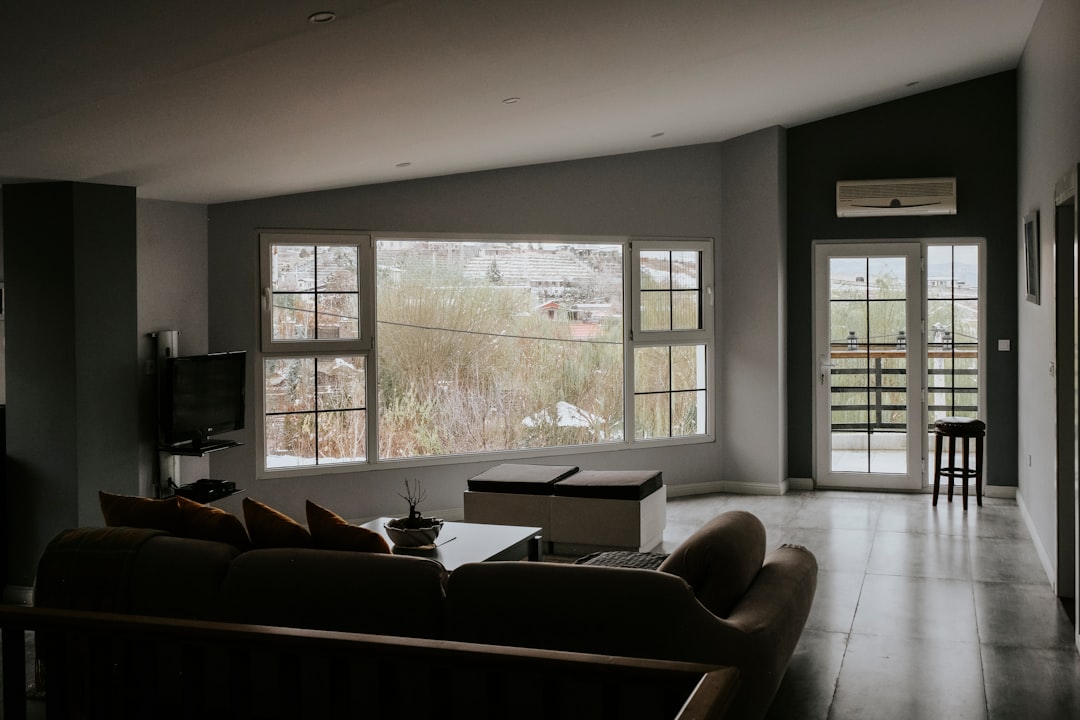
by Sam Moghadam (https://unsplash.com/@sammoghadam)
Consider a modern home with large, south-facing windows. During the summer, these windows can let in excessive heat, making the living space uncomfortable and increasing cooling costs. By installing solar control films, the homeowner can enjoy a cooler home without sacrificing natural light. This application not only improves indoor comfort but also enhances energy efficiency, leading to significant cost savings over time.
In another scenario, a client might want to enhance the privacy of a bathroom that faces a neighbor’s property. Decorative films can provide the desired privacy while adding an elegant touch to the room. By selecting a pattern or design that complements the existing decor, homeowners can achieve a harmonious and stylish look that meets their privacy needs.
Moreover, window tinting can be a valuable addition to homes with valuable art collections or furnishings. UV-blocking films can protect these investments by preventing fading and damage, ensuring that the beauty and value of these items are preserved for years to come. By understanding the practical applications of window tinting, you can help clients make informed decisions that enhance both the functionality and aesthetics of their home.
Conclusion: Enhancing Homes with Window Tinting
Home window tinting offers a versatile solution for enhancing both the functionality and aesthetics of a space. By understanding the different types of films and their benefits, you can make informed recommendations to your clients. Whether it’s achieving energy efficiency, enhancing privacy, or adding a decorative touch, window tinting can meet a variety of needs.
As an interior designer, your expertise in comparing and selecting the right window tinting options will add value to your service and satisfaction for your clients. By staying informed about the latest trends and technologies in window tinting, you can offer innovative solutions that elevate the living experience. Ultimately, the right window tinting can transform a house into a more comfortable, stylish, and energy-efficient home, reflecting your commitment to quality and excellence in design.