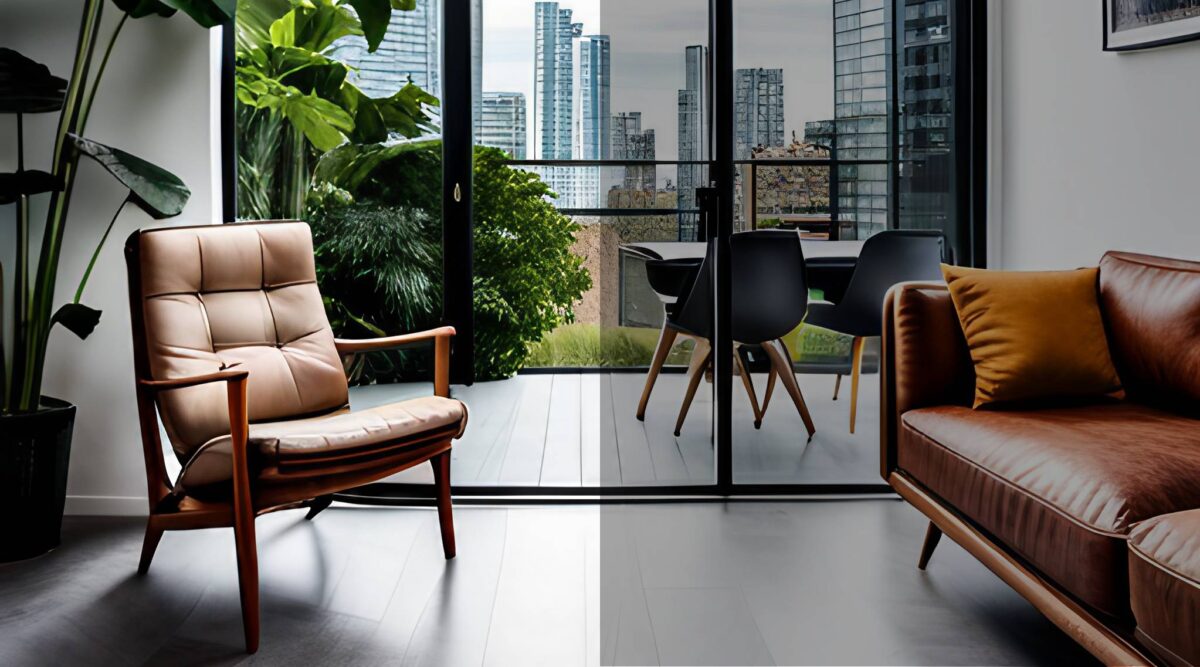
Window films are one of the most searched upgrades in Toronto and the GTA because they solve problems people deal with every single day. Too much heat. Harsh glare. No privacy at night. Floors and furniture fading faster than expected. High energy bills that never seem to drop.
If you searched for window films, there is a good chance one room in your home feels hotter than the rest, your office screens are hard to see after lunch, or your storefront looks washed out from the sun. This guide explains what window films are, how they work, and why so many Toronto property owners choose them instead of replacing windows.
This is written for real buildings in the GTA. Condos. Homes. Offices. Shops. No fluff. Just clear info based on what actually happens here.
What Are Window Films and How Do They Work?
Window films are thin layers applied directly to glass. They change how sunlight, heat, and UV rays pass through the window. The glass stays. The performance changes.
Most window films are installed on the inside of the glass. Once applied, they reflect or absorb solar energy before it enters the room. That single change helps control temperature, glare, fading, privacy, and safety.
Common reasons people use window films in Toronto include:
- Reducing heat from strong afternoon sun
- Cutting glare on TVs, laptops, and office screens
- Blocking UV rays that fade floors and furniture
- Adding privacy in condos and street-facing homes
- Improving glass safety on doors and storefronts
Window films are not paint or spray-on coatings. They are built with layers. Each layer has a job. Some manage heat. Some block UV. Some control light. Some help glass hold together if it breaks.
If you want a broad overview of film types and uses, this page gives a good starting point: window films.
Why Window Films Are So Popular in Toronto and the GTA
Toronto buildings deal with tough conditions. Hot summers. Cold winters. Sharp sun angles in spring and fall. Many homes and condos were not designed for today’s large glass layouts.
Downtown condos with floor-to-ceiling windows often face west or south. Homes in Scarborough and Etobicoke have big front windows with no shade. Offices in North York and Vaughan get hit with glare all afternoon.
Window films help manage these issues without replacing windows.
One condo owner near Harbourfront had a living room that stayed 4 degrees hotter than the rest of the unit every summer. After installing heat-control window films, the room cooled enough to be usable again. The AC ran less. Curtains stayed open. No window replacement needed.
Another example comes from a detached home in Markham. The owner noticed hardwood floors fading near the patio doors. UV-blocking window films slowed the fading and kept the room bright. The change was simple, but it protected a costly floor.
Government resources explain why windows play such a big role in heat gain and loss in Canadian buildings. Natural Resources Canada covers this well in their window efficiency guides.
Types of Window Films Used in Homes and Businesses
Not all window films do the same thing. The right type depends on the problem you are trying to fix.
Solar window films focus on heat and glare. They reduce solar heat entering the room and help balance temperatures. These are common in condos, offices, and homes with strong sun exposure.
UV-blocking window films protect interiors. They block most UV rays that cause fading. These are popular in retail spaces, living rooms, and homes with hardwood floors.
Privacy window films limit visibility. Frosted and patterned films work day and night. Reflective films offer daytime privacy but change at night when lights are on. A full breakdown is covered here: privacy window film options.
Security window films help hold broken glass together. They do not make glass unbreakable, but they slow entry and reduce flying shards. This is helpful for storefronts and glass doors. Learn more here: security window films.
How Window Films Perform After Installation
Once installed, window films begin working right away, but performance improves as the adhesive cures.
Here is what happens in simple terms:
- Sun hits the glass
- The film reflects or absorbs part of that energy
- Less heat enters the room
- Glare drops and comfort improves
Some films are almost clear and focus on heat and UV control. Others are darker or reflective and focus more on glare and privacy. Frosted films block views while keeping light.
In winter, window films help reduce cold drafts near glass. They do not replace insulation, but many Toronto homeowners notice rooms feel less chilly near windows.
Film choice must match the glass. Double-pane and Low-E glass need specific films. Using the wrong film can stress window seals. A full explanation of what affects film choice is covered here: key considerations when installing window films.
Common Problems Window Films Solve
Most people turn to window films because something feels off.
Heat is the most common complaint. South- and west-facing rooms get blasted by sun. Solar window films reduce heat buildup and make spaces more comfortable. This guide explains practical heat control setups: heat blocking and UV protection with solar film.
Glare causes eye strain and makes screens hard to see. Window films cut glare without turning rooms dark.
UV damage shows up slowly. Floors fade. Furniture discolours. Displays bleach unevenly. Window films block most UV rays and slow this damage. Health Canada explains how UV affects interiors here: UV index and sun safety.
Privacy becomes an issue at night. Condos and ground-level homes feel exposed. Privacy window films solve this while keeping daylight.
Case Study: Office Space in North York
An accounting office in North York had large west-facing windows. Staff complained about glare and heat every afternoon. Blinds stayed closed most days.
After installing solar window films, glare dropped and blinds stayed open. The office felt cooler. Screens were easier to see. The space felt brighter without the heat.
No layout changes. No window replacement. Just better glass performance.
Professional Window Films vs DIY Film
DIY window films often seem cheaper at first. Problems show up later.
Common issues include trapped dust, bubbles, lifting edges, uneven darkness, and peeling during winter.
Professional window films last longer because:
- The film matches the glass type
- The glass is cleaned properly
- The film is cut to fit the real window
- The adhesive cures the right way
There is also accountability. If something fails, it gets fixed.
This comparison explains the difference clearly: DIY window films vs professional installation.
Window Films vs Window Replacement
Many Toronto property owners wonder if they should replace windows instead.
Window replacement is costly and disruptive. It is often not allowed in condos or commercial buildings.
Window films improve existing glass at a much lower cost and with less disruption. For many homes and offices, films solve the problem without replacement.
This comparison explains when each option makes sense: window films vs window replacements.
What to Expect During Window Film Installation
Most window film installs in Toronto and the GTA take a few hours. Homes are often done in one day. Offices can be staged to avoid downtime.
You can stay during installation. There is no demolition and very little mess.
After installation, films need time to cure. Avoid cleaning for a few days. Use soft cloths and mild cleaners after that.
Many people notice results after the first sunny day. Rooms feel calmer. Glare drops. Comfort improves.
Why Local Experience Makes a Difference
Toronto buildings are not all the same. Condo rules, glass types, sun exposure, and seasons matter.
Installers who work across the GTA understand these details. That local experience helps avoid mistakes and improves results.
Thinking About Window Films for Your Space?
If heat, glare, fading, privacy, or safety is bothering you, window films are worth a closer look. They are one of the few upgrades that improve comfort without changing how a space looks.
If you want help choosing the right option or understanding what fits your building, visit Tintly Window Films to learn more or request advice.
Good window films do their job quietly. You stop noticing the problem you had. That’s usually the point.